
Why Care About Water?
By Rose Poton, Verde Water Justice Policy Associate
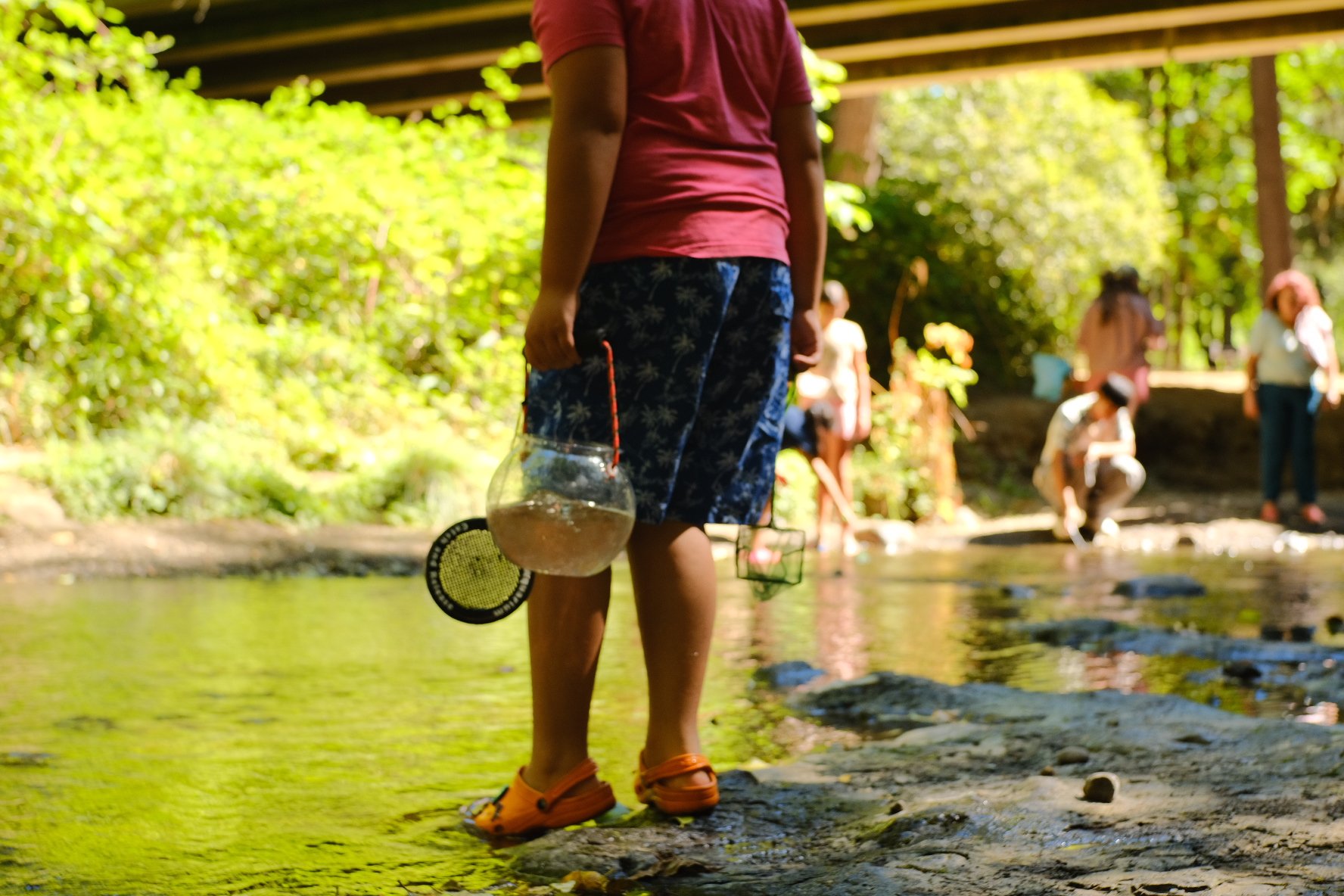
Water not only sustains economies but also nourishes life and brings communities together.
Water is a healer; recognized as the first medicine in many Indigenous cultures. Throughout my life, water has always been what I reached for during times of illness. As a nurse, I always began and ended patient care with water, first washing my hands before care and again after. Ensuring water was always within a patient’s reach, a standard healthcare practice. Safe water is an undeniable part of the healing process and care plans.
Today I serve as the Water Justice Associate at Verde, where my background in healthcare informs how I care for water, people, and the environment on a broader scale. As a nurse, I worked directly with patients to help manage their health and healing. At Verde, my work draws from that experience to focus on ensuring water is safe, accessible, and affordable for all, including the ecosystems that we all depend on, through community organizing, advocacy, and social enterprise. Instead of treating illness after it occurs, we work upstream to prevent it by protecting water and the environment from harmful impacts. When we protect our water, we protect our collective health.
Water Sustains Our Economy. Water drives and sustains economies. In Oregon, water contributes hundreds of billions of dollars to our economy and leads our energy sector. Hydropower generates roughly 34% of Oregon’s energy, followed by gas (~21%) and “unspecified” sources (~21%)1. Water-dependent industries, including manufacturing, healthcare, restaurants, and agriculture, generate $221 billion in economic output and support over 1 million jobs. On top of that, water-dependent businesses ripple out into our local communities, generating another $111 billion through indirect and induced spending 2. Without clean and safe water, many local businesses could not operate, leading to severe economic losses across the state.
Water is a Peacemaker. Water holds many relationships simultaneously, connecting all of us through a common need essential to our health and economy. In fact, 9 in 10 U.S. voters agree that safe, accessible, and affordable water is a basic human right3. How to achieve that accessibility is a question people have differing ideas about and that is okay. That diversity of perspective is valuable because every community is unique; there is no single solution. There are many paths we can take together to ensure safe, clean, accessible, and affordable water for all.
Our Commitment at Verde. At Verde, we care about water because it is essential to the health and well-being of the communities we are accountable to. Water is the thread that weaves together public health, economic stability, and social cohesion. Protecting water is not just an environmental issue, it is one of the most profound ways we care for, uplift, and heal our communities.

|
About RoseRose holds graduate degrees from the University of Oregon in General Social Science, with a focus on environment, globalization, and policy, and in Conflict and Dispute Resolution, specializing in environmental conflicts involving water. She is currently pursuing a Ph.D. in Water Resources Science at Oregon State University and serves in several regional water leadership roles, including the Columbia River Restoration Fund Steering Committee and the Water, Equity, and Climate Resilience Caucus. |
References:
Oregon Department of Energy. (2026, June). Energy: Oregon Electricity Resource Mix: Energy in Oregon: State of Oregon. https://www.oregon.gov/energy/energy-oregon/pages/electricity-mix-in-oregon.aspx
Pilz, D., Kruse S., Raucher R., Clements J., Gardner T., Odefey J., Madsen T., Purkey A., Sheridan C., McCoy A., Ehrens A., The Business Case for Investing in Water in Oregon (June 2023). https://www.oregon.gov/owrd/WRDPublications1/230721_FINAL_Business_Case_for_Water_in_OR.pdf
Water Hub. (2022, September). National Poll Report. https://waterhub.org/wp-content/uploads/2022/09/Water-Hub-June-2022-national-poll-report.pdf